
Anime Shrine Pilgrimages: Real-World Shinto Sacred Sites

Across the globe, Japanese anime captivates millions with its rich storytelling and evocative artistry. A remarkable feature of many celebrated series is their meticulous depiction of real-world Shinto shrines. Journeying to these authentic locations—a cultural phenomenon known as Seichi Junrei (Anime Pilgrimage)—has become a cherished travel ritual for international anime fans.
Moreover, sanctuary grounds have nurtured vibrant new traditions, notably Ita-Ema: hand-drawn wooden votive tablets where fans illustrate beloved characters and offer heartfelt prayers for theatrical success and personal dreams.
This guide showcases Japan's most famous anime sanctuaries, illuminates the creative heritage of Ita-Ema, and provides essential etiquette for respectful visits.
1. Why Do Shinto Shrines Star in Japanese Anime?
Shrines are rarely mere ornamental backdrops; they serve profound storytelling roles:
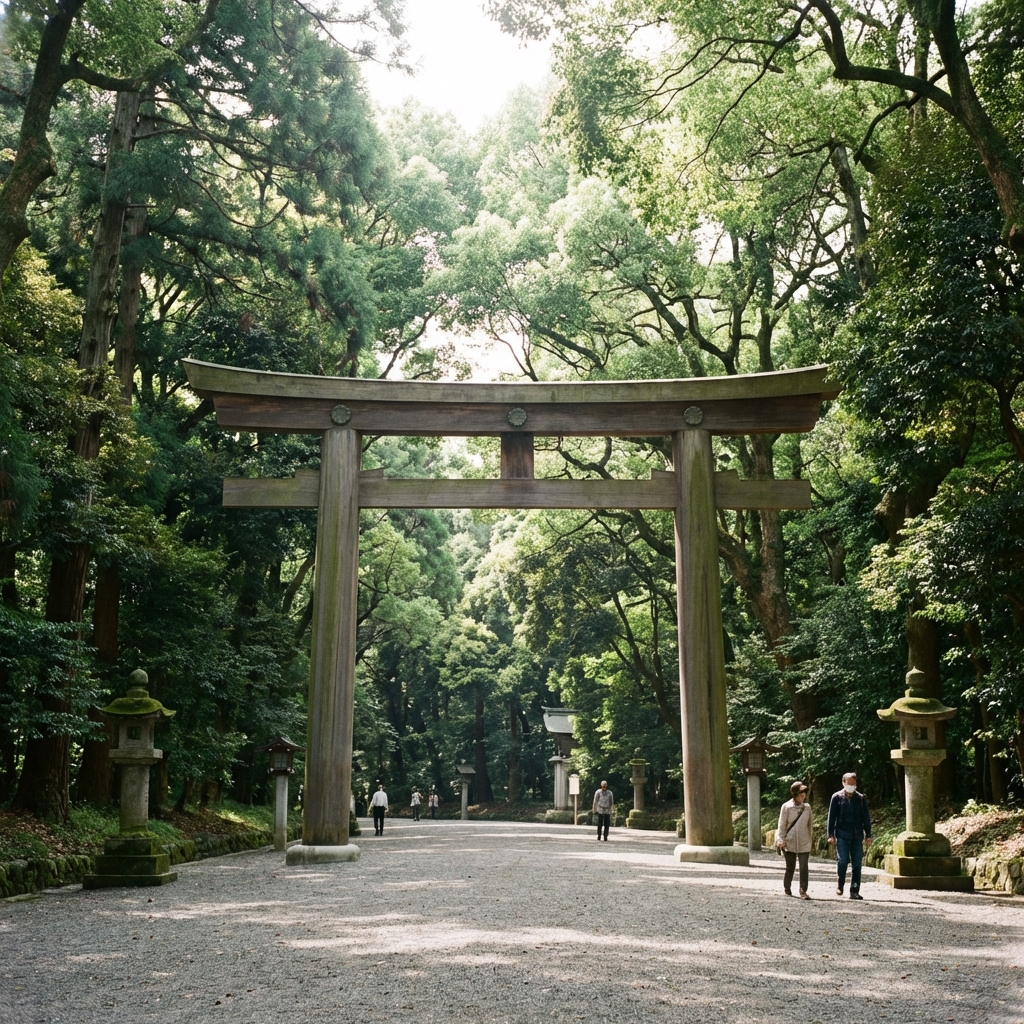
- Threshold to the Extraordinary: Passing beneath a Torii gate marks a boundary crossing from ordinary life into the realm of wonder and spiritual transformation.
- Embodiment of Japanese Aesthetics: Shrines showcase the poetic changing of seasons—cascading cherry blossoms, lush summer moss, vibrant autumn maples, and pristine winter snow.
- Places of Resolute Vows: When characters face pivotal trials, visiting a shrine provides a solemn moment of introspection, prayer, and emotional bonding.
2. Five Iconic Anime Shrines You Must Visit
1. Suga Shrine (Shinjuku, Tokyo) — Your Name (Kimi no Na wa)
The red-railed staircase leading up to Suga Shrine is immortalized in the unforgettable climax of Makoto Shinkai's global sensation Your Name, where protagonists Taki and Mitsuha cross paths. Tucked in a serene residential quarter, the shrine welcomes pilgrims from every corner of the earth.
2. Kanda Myojin (Chiyoda, Tokyo) — Love Live!
Situated near Akihabara, Kanda Myojin is Tokyo's historic guardian sanctuary and a foundational landmark in Love Live! School Idol Project. Character Nozomi Tojo served here as a shrine maiden, and the idol group μ's famously conditioned on the shrine's steep stone steps. Today, the shrine offers official anime amulets and collaborative votive plaques.
3. Kamado Shrine (Dazaifu, Fukuoka) — Demon Slayer (Kimetsu no Yaiba)
Sharing the surname of protagonist Tanjiro Kamado, this ancient mountainside shrine at the foot of sacred Mount Homan became an international pilgrimage sensation. Its votive racks are adorned with breathtaking illustrations of Tanjiro and Nezuko crafted by devoted artists worldwide.
4. Washinomiya Shrine (Kuki, Saitama) — Lucky Star
As one of the oldest major shrines in eastern Japan, Washinomiya ignited the modern phenomenon of anime pilgrimages when featured in the opening of Lucky Star. The shrine warmly embraced fans, pioneering regional collaborations and celebrated Ita-Ema gatherings.
5. Shirakawa Hachiman Shrine (Gifu) — Higurashi: When They Cry
Nestled amid the historic thatched-roof farmhouses of UNESCO World Heritage village Shirakawa-go, this tranquil shrine served as the model for Furude Shrine in the mystery classic Higurashi.
3. The Art and Culture of Ita-Ema (Votive Art Tablets)
The term Ita-Ema refers to wooden prayer tablets adorned with elaborate hand-drawn anime illustrations.
Historically, worshippers offered paintings of horses to convey petitions to the deities. During the Edo period, master artists frequently donated intricate framed illustrations. Today's Ita-Ema represent a dynamic continuation of this sacred tradition, blending pop art with sincere personal devotion.
Etiquette When Viewing Ita-Ema
- Do Not Deface or Over-handle: Respect the dedication of fellow pilgrims. Tablets covered in clear plastic for weatherproofing should never be peeled or displaced.
- Respect Personal Privacy: Some tablets contain personal names or intimate wishes. When sharing photographs on social media, obscure private information.
4. Respectful Shrine Etiquette for Visiting Pilgrims
Even when visiting as an anime enthusiast, remember that sanctuaries are active holy sites and communal gathering places:
- Offer Reverent Prayer First: Cleanse your hands and mouth at the purification pavilion, step before the main hall, and perform two bows, two claps, and one bow before taking photos.
- Avoid Obstructing Pathways: Do not block stairs, Torii walkways, or residential thoroughfares for prolonged photography sessions.
- Adhere to Photography Rules: Commercial filming or unauthorized cosplay attire is prohibited on shrine grounds without explicit prior permission from shrine clergy.
5. Unite Passion With Sacred Reverence
Exploring real-world anime shrines offers an extraordinary gateway into Japanese spirituality and community life. Approach each sanctuary with respectful gratitude, celebrating the stories that inspire you.
Empower Your Aspirations With Kami Blessings
Frequently Asked Questions
- What is the most crucial etiquette rule when visiting anime shrines?
- Always purify at the water pavilion and offer respectful prayers at the main altar before taking photos or displaying character merchandise.
- Are foreign visitors allowed to draw and hang Ita-Ema tablets?
- Yes. Most anime sanctuaries warmly welcome passionate artistic offerings from visitors, provided they respect the guidelines and other worshippers.
Enshrine Sacred Talisman to Empower Your Dreams
Bless your creative passions and aspirations with an authentic digital Washi talisman.
More Japanese shrine traditions

December 2, 2025
How to Write an Ema: Guide to Japanese Shrine Wish Plaques — What to Write & Etiquette (2025)
Step-by-step guide to writing an Ema (wooden wish plaque) at a Japanese shrine. Learn proper etiquette, what to write, and how to hang your wish correctly.

September 5, 2026
10 Critical Shinto Shrine Taboos: Major Mistakes Tourists Make and How to Avoid Them (2026)
Shinto shrines are living sanctuaries of the Kami, not theme parks. Avoid major blunders like drinking directly from temizu ladles, walking down the seichu center path, and violating sacred photography rules.
January 31, 2026
Best Shrines in Tokyo: Top 12 Japanese Shrines for First-Time Visitors (2026)
Discover the best shrines in Tokyo for tourists. From Meiji Shrine to hidden local gems, this guide covers the top 12 must-visit Shinto shrines in Tokyo with access, tips, and what makes each special.