
Shinto Gods & Goddesses: The Sacred Pantheon & Kami Guide
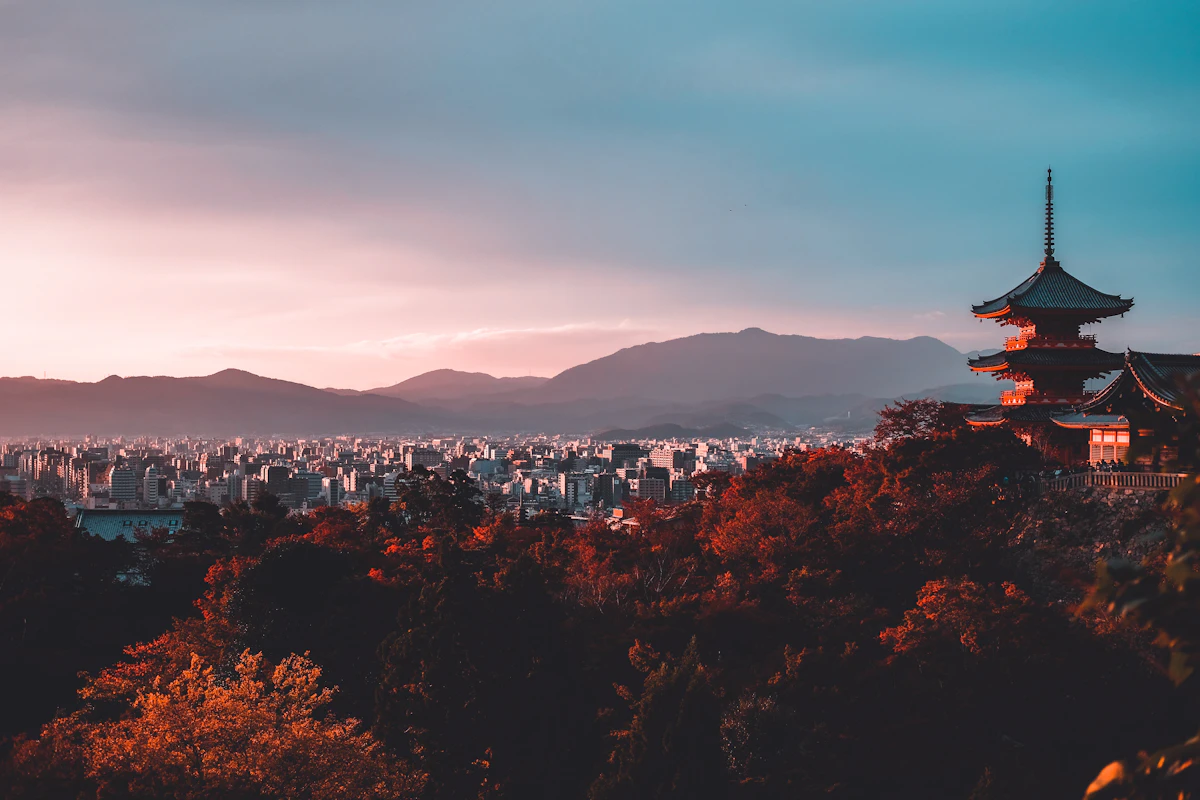
At the spiritual heart of Japan lies Shinto, an ancient indigenous tradition honoring the Yaoyorozu no Kami—the "eight million" myriad deities inhabiting every aspect of nature, mountains, rivers, and ancestral realms. Far from distant abstractions, the deities chronicled in classic texts like the Kojiki (712 CE) and Nihon Shoki (720 CE) are vivid beings who love, err, battle, and cultivate the universe.
This comprehensive guide illuminates the genesis of the Shinto pantheon, tracing the lineage from cosmic creation through the primeval parent deities to the supreme Sun Goddess and beloved regional Kami.
1. The Creation: Separation of Heaven and Earth
In Shinto cosmogony, the universe begins with primordial chaos parting into heaven (Takamagahara) and earth. The earliest spontaneous beings were the Kotoamatsukami (Distinguished Heavenly Kami), led by the Zoka no Sanshin (Three Deities of Creation):
- Ame-no-Minakanushi-no-Kami: The supreme primordial source residing at the center of heaven.
- Takamimusubi-no-Kami: The generative force of heaven and cosmic vitality.
- Kamimusubi-no-Kami: The generative force of earth and life-giving production.
Following subsequent divine generations came the seventh generation (Kamiyonanayo), culminating in the divine couple: Izanagi-no-Mikoto and Izanami-no-Mikoto.
2. Izanagi and Izanami: Creation and the First Misogi
Standing upon the Floating Bridge of Heaven (Ame-no-Ukihashi), Izanagi and Izanami stirred the swirling sea with the jeweled spear Ame-no-Nuboko. Brine dripping from its tip solidified into the sacred isle of Onogoro. Descending to this haven, they united in marriage and birthed the islands of the Japanese archipelago (Kuniumi), followed by the spirits of winds, trees, rivers, and mountains (Kamiumi).
Tragedy struck when Izanami gave birth to Kagutsuchi, the fire Kami, suffering fatal burns and departing to Yomi-no-Kuni, the shadowy underworld.
Grief-stricken, Izanagi pursued his wife into Yomi, only to flee in horror after beholding her rotting, spectral form. Reaching the upper world at Tachibana Bay in Kyushu, he washed his polluted body in the ocean stream. This foundational act instituted Misogi—the sacred rite of ritual purification that remains the essence of all Shinto practice.
3. The Three Noble Children (Sankishi)
As Izanagi washed the defilements from his face during his purification, three supreme deities were born:
| Deity | Birth Origin | Realm of Dominion | Divine Virtues & Blessings | Primary Shrine |
|---|---|---|---|---|
| Amaterasu Omikami | Washed left eye | Takamagahara (Sun, Heaven) | National peace, supreme fortune, vitality | Ise Jingu (Mie) |
| Tsukuyomi-no-Mikoto | Washed right eye | Yoru-no-Osu-Kuni (Moon, Night) | Navigation, lunar calendars, calm | Matsunoo Taisha (Kyoto) |
| Susanoo-no-Mikoto | Washed nose | Unabara (Storms, Oceans, Earth) | Ward off evils, healing, love unions | Yasaka Shrine (Kyoto) |
The Heavenly Rock Cave (Ame-no-Iwato)
When Susanoo ravaged the heavenly realms in tempestuous fury, Amaterasu concealed herself within the cave Ame-no-Iwato, plunging heaven and earth into absolute darkness. To entice her out, the goddess Ame-no-Uzume danced ecstatically atop an overturned tub, evoking uproarous laughter among the eight million Kami. Curiously peering out to witness the joy, Amaterasu was drawn forth by the mighty Tajikarao, restoring celestial radiance to the world.
Slashing the Yamata-no-Orochi
Exiled to Izumo, Susanoo encountered an elderly couple weeping for their last daughter, Kushinadahime, destined to be devoured by the terrifying eight-headed serpent, Yamata-no-Orochi. Drugging the monster with eight vats of sake, Susanoo slew the beast and extracted from its tail the sacred sword Ame-no-Murakumo-no-Tsurugi (Kusanagi), today one of the Imperial Regalia of Japan.
⛩️ Seek Counsel from Amaterasu & Susanoo
Ask the Sun Goddess for personal clarity and vitality, or receive Susanoo's fierce blessing to dispel obstacles through our interactive Divine Oracle.
4. Okuninushi and the Transfer of the Land
Susanoo's descendant, Okuninushi-no-Kami (the Great Master of the Land), famously healed the White Hare of Inaba and forged the foundations of civilization across Japan alongside the dwarf medicine deity Sukunabikona.
When Amaterasu resolved that the earthly realm should be governed by heavenly lineage, divine heralds negotiated the Kuniyuzuri (Relinquishment of the Land). Okuninushi peacefully ceded physical dominion on the condition that an awe-inspiring sanctuary reaching the heavens be erected in his honor—the origin of Izumo Oyashiro (Izumo Grand Shrine). Okuninushi retreated into the invisible spirit realm, becoming the sovereign ruler over unseen ties, destiny, and interpersonal love (En-musubi).
🌸 Receive an En-musubi (Destiny & Love) Blessing
Seeking true connection, friendship, or business bonds? Enshrine an authentic digital sacred talisman blessed with the spirit of Izumo's En-musubi.
5. Tenson Korin: The Descent to Earth
Amaterasu's grandson, Ninigi-no-Mikoto, descended to the mist-shrouded peak of Takachiho in Kyushu carrying the Three Sacred Treasures: the Mirror, the Jewel, and the Sword. Ninigi wed Princess Konohanasakuya-hime, the spirit of Mount Fuji. Their great-grandson became Emperor Jimmu, the legendary first emperor of Japan, establishing the unbroken lineage intertwining the Kami and Japan's imperial heritage.
6. Major Deities Revered Across Japan
Beyond imperial mythology, numerous benevolent Kami grace local sanctuaries:
- Ukanomitama-no-Kami: The venerated Inari deity overseeing bountiful rice harvests, industry, and commerce.
- Hachiman: The deified Emperor Ojin, revered as the patron protector of warriors, peace, and national defense.
- Tenjin (Sugawara no Michizane): The deified Heian-era scholar enshrined across Tenmangu shrines as the patron Kami of academics and calligraphy.
- Ryujin (Dragon Kami): The ocean-dwelling water sovereign commanding rains, fertility, and monumental fortune.
7. Deepen Your Bond With the Kami
Understanding the stories of the Kami transforms each shrine visit from mere tourism into a meaningful communion with timeless natural forces.
Connect Directly With the Divine Kami
Frequently Asked Questions
- Who is the supreme deity in Shinto mythology?
- Amaterasu Omikami, the Sun Goddess ruling Takamagahara (the celestial plain), enshrined at Ise Grand Shrine as the ancestral Kami of the imperial lineage.
- Does "eight million Kami" mean literally 8,000,000 gods?
- No, "Yaoyorozu" is a traditional Japanese idiom signifying infinity, expressing that divine spirits reside throughout all aspects of nature and the universe.
Commune With Amaterasu & the Pantheon of Kami
Seek illuminating spiritual guidance from the supreme Kami through our interactive sacred Oracle.
More Japanese shrine traditions
September 12, 2026
The Seven Lucky Gods (Shichifukujin): Origins, Powers & Pilgrimage Guide
Discover the Seven Lucky Gods of Japan. Explore how Japanese, Indian, and Chinese deities united on the Takarabune treasure ship to bestow fortune, longevity, and wealth.

September 5, 2026
Dragon Shrines in Japan: Ryujin Worship & Sacred Powers
Explore the lore of Ryujin dragon worship in Japan. Discover top dragon shrines like Hakone Kuzuryu and Kifune, receiving divine blessings for wealth.

December 11, 2025
Yaoyorozu no Kami & Kami Meaning: Why Japan Worships 8 Million Shinto Gods
What does Yaoyorozu no Kami (八百万の神) mean? Discover who the Kami are in Japanese Shinto, why Japan reveres 8 million nature spirits, the meaning of '-no-kami', and the 5 major gods.