
Omamori Colors & Meanings: Which One is Right for You?

"More than just a souvenir."
Inside the beautiful brocade pouch fits a small sacred object called "Naifu," imbued with the power of the kami. An Omamori is a portable vessel for the deity, allowing you to carry protection wherever you go. The colors and patterns aren't just for decoration; they amplify your specific intentions.
Find the Omamori you need.
Find shrines based on love, success, health, etc.
Traditional Types of Omamori (Amulets)
While colors represent the elemental energy, Shinto shrines categorize Omamori by their specific purposes. Here are the 7 most traditional types of Japanese amulets you can find:
1. Yakuyoke (厄除け) — Warding Off Evil
Specifically designed to repel bad luck, evil spirits, and disasters. Ideal for individuals experiencing their unlucky years (Yakudoshi).
2. Kanai Anzen (家内安全) — Family Safety
Brings peace, health, and prosperity to your household. It is often kept in a central living space at home.
3. Gakugyo-jōju (学業成就) — Academic Success
Helps students concentrate, improve study habits, and pass school entrance exams (often featuring Tenjin, the god of learning).
4. Enmusubi (縁結び) — Love & Matchmaking
Draws love, marriage partners, and good social/business relationships into your life. Commonly sold in pairs.
5. Shōbai-hanjō (商売繁盛) — Business Prosperity
Wished by entrepreneurs and employees for financial success, good investments, and business growth.
6. Kōtsū Anzen (交通安全) — Traffic Safety
Protects drivers, passengers, and travelers from accidents. Many Japanese hang these in their cars.
7. Anzan (安産) — Safe Childbirth
Ensures a smooth, healthy pregnancy and safe delivery for both mother and newborn baby.
The Meaning of Colors
Trusting your intuition is always best, but knowing specific traditional meanings can help you choose:
- Red: Passion, warding off evil, victory. A color of vitality and life force.
- White: Purity, cleansing, new beginnings. For a fresh start.
- Purple: Nobility, health, longevity, spirituality. Historically a high-ranking color.
- Gold/Yellow: Wealth, abundance, business prosperity.
- Pink: Love, relationships, safe childbirth. A color of gentleness.
- Blue: Academic success, calm focus, traffic safety.
Giving Shape to Your "Wishes"
The power of kami, enclosed in a small pouch. "Omamori" are spiritual anchors that Japanese people have cherished for ages. However, just carrying one might not be enough. By knowing the meanings behind the colors and learning how to treat them properly, an Omamori becomes a powerful partner that supports your life's journey.
Origins: Onmyodo and Animism
The roots of Omamori lie in the "magical stones" of the Jomon period and the "Gofu" (talismans) made by Onmyoji (yin-yang masters) in the Heian period.
Inside the Omamori pouch, there is actually a small piece of wood or paper called "Naifu" with the kami's name or prayer written on it. In other words, an Omamori is a "portable micro-shrine."
Meanings by Color
The color of the pouch (Nishiki-bukuro) often carries meaning based on Feng Shui and the Five Elements theory.
Red
Victory / Warding Evil
Color of the sun and fire. Burns away bad luck and gives vitality. For exams and sports.
Gold / Yellow
Wealth / Prosperity
Color of rice ears. Symbolizes harvest and business success.
Pink
Love / Relationships
Color of gentleness and youth. Popular for matchmaking.
Blue
Academics / Calmness
Color of water. Calms the mind and improves focus. For work and study.
Green
Health / Healing
Color of life force found in plants. Wishes for recovery and longevity.
Purple
Nobility / Health / Longevity
Historically the highest-ranking color, reserved for nobility. For health, spiritual growth, and a long, prosperous life.
Black / White
Powerful Purification
White repels evil with purity. Black absorbs all evil. Strongest protection colors.
The Secret of the Knot
Look closely at the knot sealing the Omamori. From the front, it looks like a square (口), and from the back, a cross (十). Combined, these characters form the kanji "叶" (Kanau), which means "to come true."
This "Double Wish Knot" (Futae Kano Musubi) signifies the prayer that your wish will be fulfilled.
Note: Never untie the knot to look inside! It is said to release the sacred power contained within.
Evolution of Modern Omamori
It's not just "Traffic Safety" anymore. Unique Omamori for modern problems are appearing.
- IT Safety: Protection from PC bugs and data leaks (Kanda Myojin is famous).
- Pet Charms: Often shaped like paws, for the health of cats and dogs.
- Beauty Charms (Bimamori): Wishing for both inner and outer beauty.
- DIY Omamori: Making your own pouch and placing a shrine's Naifu inside is a quiet trend.
How to Carry Them
Keeping it close to your body is ideal, but here are practical tips:
- With daily items: Attach it to your bag, phone, or wallet—things you always have with you.
- At home: Place it on a Kamidana or a high, clean shelf.
- Can I have multiple?: Yes. Kami do not fight or get jealous. As long as you treat each with respect, you can carry Omamori from different shrines.
The "One Year Rule"
They say "Omamori expire in one year." Why?
This is based on the concept of "Kegare" (withered spirit/impurity). After protecting you for a year, the Omamori is "tired" from absorbing bad luck. Replacing it with a new one renews the fresh "Ki" (energy) of the kami.
TIPS: It is OK to hold multiple Omamori. The kami do not fight; they cooperate. Just ensure you treat each one with respect and manage them well.
A Vow, Not Magic
An Omamori is not a magic item that grants wishes just by holding it.
It is a token of a contract with the kami: "I will strive towards this goal, so please watch over me." The true role of the Omamori is to witness your efforts.
Power of Kami, Always with You.
Keep your favorite Omamori digitally on your phone.
Wallpaper for constant power charge
Frequently Asked Questions
Ready to practice what you've learned?
Experience authentic Japanese shrine practice online. Perform virtual sanpai rituals and receive spiritual blessings.
Begin Your Shrine ExperienceMore Japanese shrine traditions

December 27, 2025
What is Omikuji? Complete Guide to Fortune Meanings & Etiquette (2026)
Decode all 7 Japanese omikuji fortune levels from Dai-kichi to Dai-kyo. Learn category meanings, shrine etiquette, and whether to keep or tie your fortune slip.
January 24, 2026
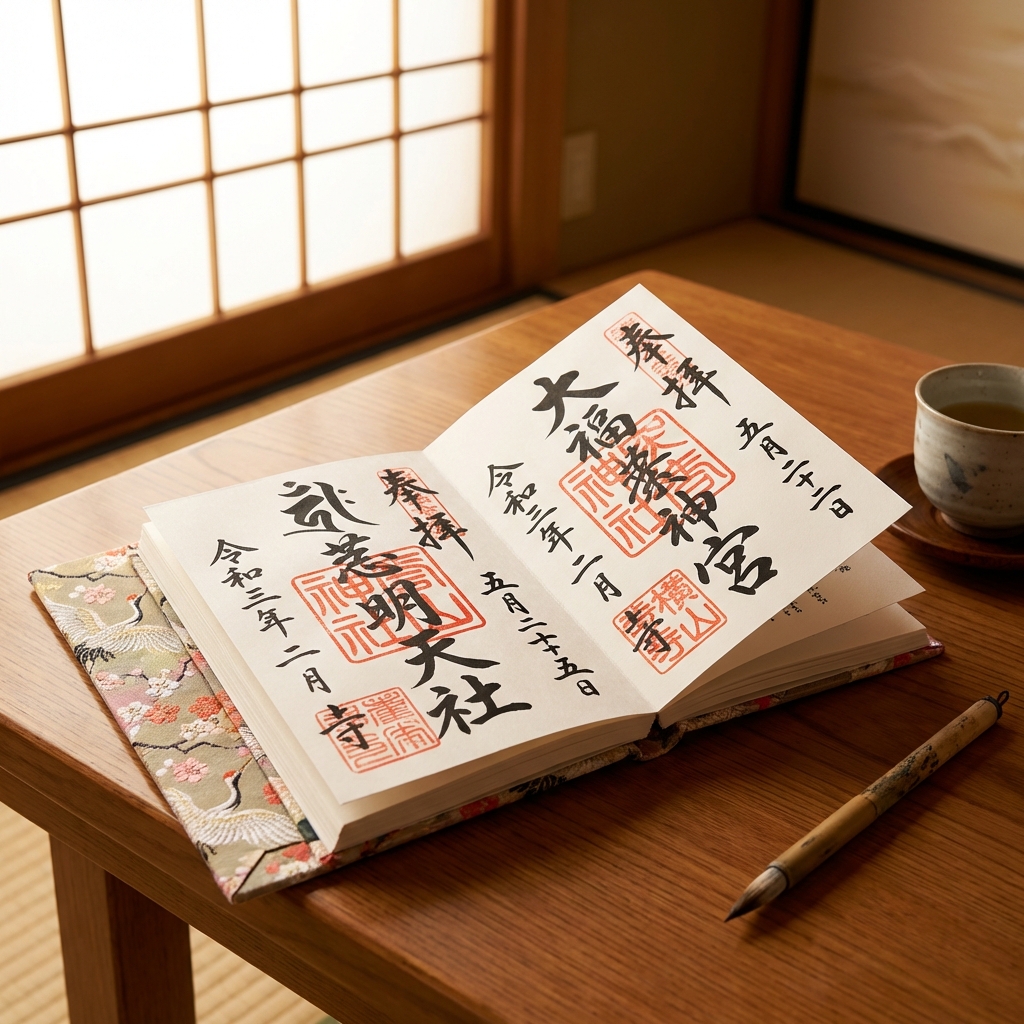
Complete Guide to Goshuin Collection: Shrine Proofs to Enjoy as Art
Goshuin is not just a stamp rally. It is a record of your connection with Kami, and one-of-a-kind art of ink and seal. We thoroughly explain how to receive Goshuin, manners, and its deep charm for beginners.

December 2, 2025
How to Write an Ema: Guide to Japanese Shrine Wish Plaques — What to Write & Etiquette (2025)
Step-by-step guide to writing an Ema (wooden wish plaque) at a Japanese shrine. Learn proper etiquette, what to write, and how to hang your wish correctly.