
Shrine & Temple Guide
Your bilingual knowledge base for Japanese shrine and temple worship—learn etiquette, prayers, cultural context, and practical insights that unite Shinto and Buddhist traditions.
New Here? Start Your Learning Path
Not sure where to start? Follow our recommended learning order to build your understanding step by step.
Worship Basics

Shrine vs Temple in Japan: 5 Major Differences & Prayer Etiquette (2026)
Shrine vs temple in Japan: what's the difference? Complete guide to distinguishing Shinto shrines (Jinja) from Buddhist temples (Otera): Torii gates, 2-clap etiquette, and deities.

Why Japanese People Pray: The Power of Gratitude at Shinto Shrines
In Shinto, prayer is not just about making requests. Discover why the core of Japanese spirituality is based on 'Kansha'—the practice of sincere gratitude, and how it can transform your daily life.
Can Foreigners Pray at Shinto Shrines? A Guide to Inclusivity and Respect
One of the most common questions from international visitors is: 'Am I allowed to pray?' Discover why Shinto welcomes everyone, and how you can participate with sincerity and respect, regardless of your background.
Omikuji & Fortune

What is Omikuji? Complete Guide to Fortune Meanings & Etiquette (2026)
Decode all 7 Japanese omikuji fortune levels from Dai-kichi to Dai-kyo. Learn category meanings, shrine etiquette, and whether to keep or tie your fortune slip.

Go-riyaku: Understanding a Shrine's Divine Benefits
What is 'go-riyaku'? It's more than just 'good luck'. This article explores the Shinto concept of divine benefits and how they relate to a shrine's specific kami.

How to Write an Ema: Guide to Japanese Shrine Wish Plaques — What to Write & Etiquette (2025)
Step-by-step guide to writing an Ema (wooden wish plaque) at a Japanese shrine. Learn proper etiquette, what to write, and how to hang your wish correctly.
Deep Shrine Knowledge

Shinto and Mindfulness: Why Japanese Shrines Feel So Calming
Have you ever wondered why the air feels different inside a shrine? Discover the profound connection between Shinto traditions, Japanese aesthetics, and modern mindfulness, and how you can find inner peace through ancient rituals.
What is Shinto? Japanese Spiritual Practice, Kami, and Shrine Etiquette (2026)
Shinto is Japan's nature-based spiritual practice. Learn what kami are, why Japanese people pray, what shrine rituals mean, and how to follow shrine etiquette—then try a guided shrine ritual online.

Torii Gate: Meaning, Symbolism & Why Shrine Gates Are Red (2026 Guide)
What is a torii gate and why are they red? Discover the spiritual meaning of Japan's sacred shrine portals, the Amaterasu myth, 8 classic styles, and proper bowing etiquette.
Famous Shrines
Ise Jingu: Journey to the Spiritual Heart of Japan
Known as the shrine one must visit 'at least once in a lifetime,' Ise Jingu is the pinnacle of Japanese shrines. Dedicated to Amaterasu Omikami, explore why this sanctuary is called the 'spiritual home' of the Japanese people, the meaning of the 20-year rebuilding ritual, and how to properly pay your respects.

Kyoto Shrine Guide: 8 Must-Visit Shrines Beyond Fushimi Inari (2026)
Discover Kyoto's best shrines beyond the famous Fushimi Inari. From Kinkaku-ji's golden pavilion to hidden gems, explore 8 incredible Shinto shrines with practical visitor tips.
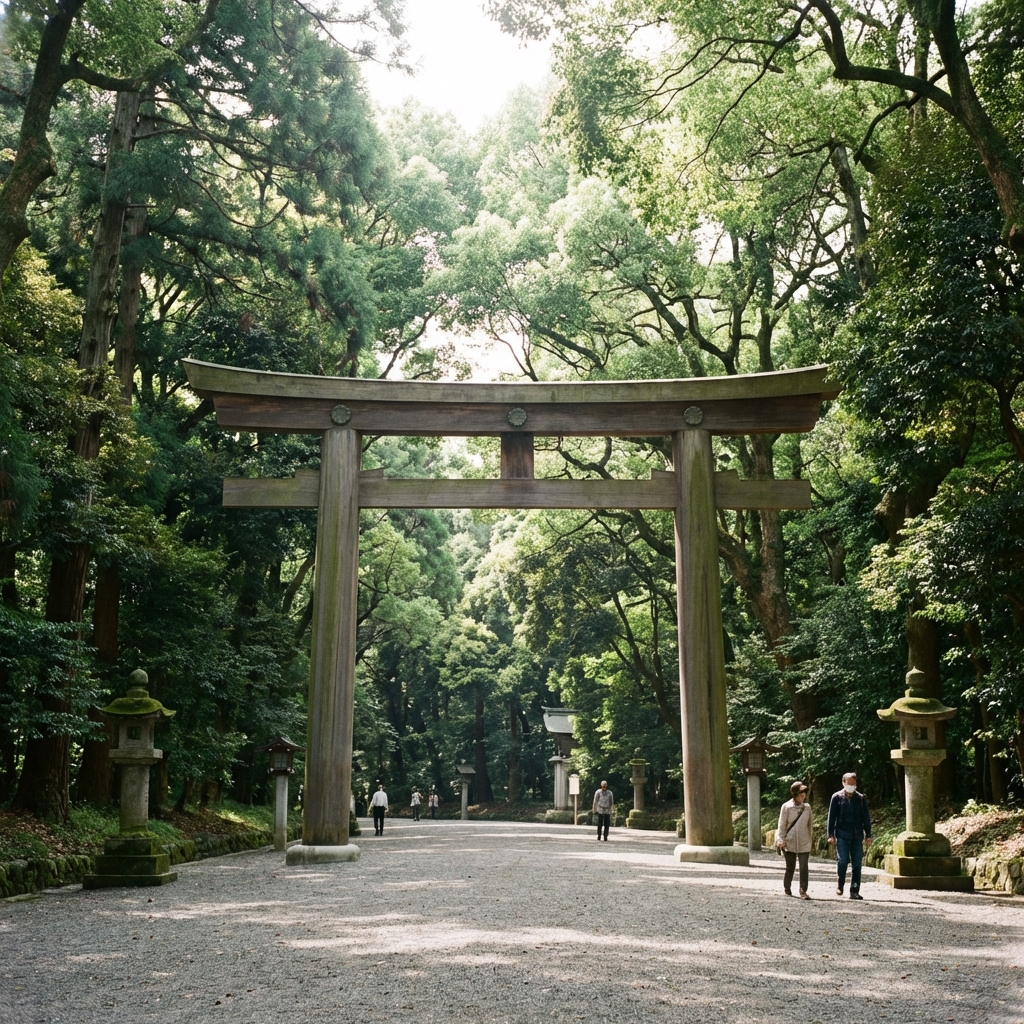
Best Shrines in Tokyo: Top 12 Japanese Shrines for First-Time Visitors (2026)
Discover the best shrines in Tokyo for tourists. From Meiji Shrine to hidden local gems, this guide covers the top 12 must-visit Shinto shrines in Tokyo with access, tips, and what makes each special.
All Articles

September 12, 2026
Shimenawa & Shide: The Sacred Rope and Lightning Paper of Shinto Sanctuaries
Thick twisted straw ropes and zigzag white paper streamers adorn shrine gates and ancient trees. Uncover the myth of the celestial cave, the lightning symbol of harvest, and sumo yokozuna.
September 12, 2026
Shinboku & Iwakura: Sacred Trees, Giant Rocks, and Nature Spirits Before Shrines
Why do ancient Japanese shrines feature worship sites without buildings? Explore giant trees harboring kodama spirits, monolithic iwakura stones, and primordial Shinto animism.
September 12, 2026
Shinto Animism vs. Monotheism: Why Nature is Divine in Japan
The transcendent Creator vs. eight million kami. Good-and-evil dualism vs. impurity and purification. Discover the roots of Japanese nature philosophy that contains no concept of original sin.

September 5, 2026
Anime Shrine Pilgrimages: Real-World Shinto Sacred Sites
Discover iconic anime shrines from Your Name to Demon Slayer. Explore the fascinating Ita-Ema art culture, sacred sites, and respectful pilgrim etiquette.
September 5, 2026
10 Most Breathtaking Torii Gates in Japan: From Floating Sea Shrines to Mountain Sanctuaries (2026)
Explore Japan's 10 most magnificent torii gates. From the iconic floating torii of Miyajima to Kyoto's thousand vermilion gates and sea cliff shrines, plan your sacred pilgrimage.

September 5, 2026
How to Read Japanese Omikuji: Complete Translation & Fortune Vocabulary Guide (2026)
Decode your Japanese omikuji paper fortune with this complete translation guide. Understand kanji meanings for Love, Wishes, Travel, Lost Items, Career, and the sacred hierarchy.

September 5, 2026
Inari Shrines & Kitsune Fox Statues: Sacred Secrets (2026)
Discover the secrets of Kitsune fox statues at Inari shrines. Learn the meaning of sacred keys, jewels, red bibs, and authentic Shinto worship etiquette.

September 5, 2026
Dragon Shrines in Japan: Ryujin Worship & Sacred Powers
Explore the lore of Ryujin dragon worship in Japan. Discover top dragon shrines like Hakone Kuzuryu and Kifune, receiving divine blessings for wealth.

September 5, 2026
Japanese Zodiac Signs (Eto) & Your Guardian Kami: Find Your Spiritual Protector by Birth Year (2026)
Discover your Japanese zodiac animal (Eto) and sacred guardian deity based on your birth year. Explore personality traits, divine spiritual protectors, and sacred guidance for love, luck, and destiny.
Ready to experience Japanese worship?
Practice the sacred tradition of shrine worship right now.
Begin Your Shrine Experience